climate change projects can be strengthened when the knowledge, skills, priorities, and needs of all groups are valued. This idea was reinforced by the Ocean Pavilion at COP30 through themes such as Ocean Justice and Equity (i.e., ensuring ocean-based climate solutions are accessible, inclusive, and just) and Ocean Voices (i.e., designing ocean-based climate solutions that value the social and cultural importance of the ocean).
These themes are also drivers of change for OCEAN Grantees, as seen through their approaches to gender equality, disability inclusion and accessibility, and social inclusion (GEDSI) across efforts to address marine conservation and poverty reduction challenges.
OCEAN Grantees in Senegal, Tanzania, and Indonesia are supporting and empowering often marginalised community members through unique approaches to amplify their voices, expand opportunities, and support equity.
Resilience and Empowerment in Senegal

Led by The Hunger Project Senegal, the ‘Project of Resilience and Empowerment of Coastal Communities of Yenne’ engages and mobilises community members across nine villages (3,734 households), aiming to deliver lasting change to the marine environment and support poverty reduction.
A key component of this project is training a group of facilitators, including women, youth, fishermen, people with albinism, and other persons with disabilities. The goal is to empower community members to jointly create, plan, advocate for, implement, and monitor gender-transformative programmes. People with albinism face discrimination within the project community, and this project aims to include them within the group of facilitators, with a focus on improved access to markets and financial resources. Grounded in community-based approaches, this project considers the diverse needs of community members, involving them in both awareness-raising and income-generating activities.
Specific trainings include entrepreneurship and resource mobilisation skills for young people and fisheries resource management skills for women, among other topics. More recently, a GEDSI training for community leaders was held with the goal of empowering these community leaders to effectively integrate the principles of GEDSI into their local actions and decisions. During the workshop, participants discussed:
- Key concepts of GEDSI;
- Inequalities observed in the municipality of Yène-Dialaw, in particular in fishing, education, and access to resources; and
- Strategies to promote inclusive and participatory local governance and community engagement.
Inclusive community engagement in Tanzania:
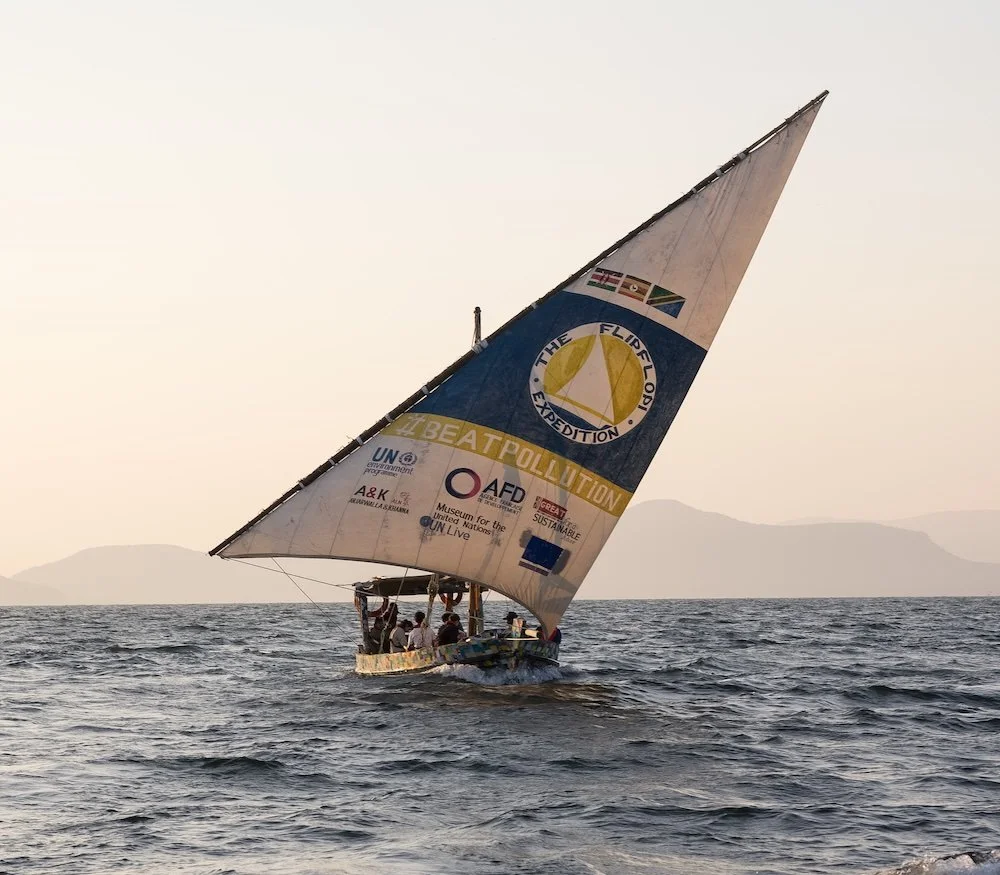
The Matumbawe-Hai Project, led by Action for Ocean, targets a wide range of beneficiary groups across Tanzania’s SOMAKI Collaborative Fisheries Management Area (CFMA). These coastal communities face multidimensional poverty and are increasingly vulnerable to the impacts of climate change. Primary beneficiaries include small-scale indigenous fishers, women, and youth, many of whom depend on declining octopus fisheries for income –typically earning less than USD$5 per day.
One of the key aspects of the project is its inclusive approach to community engagement. Strategies include targeted recruitment for training programs, flexible participation options, and the establishment of inclusive decision-making bodies.

Women have been encouraged to take on roles in activities implementation and decision-making processes, ensuring that their voices are heard and efforts are seen. The project aims to make a conscious effort to involve women in the leadership of the restoration efforts and integrate gender-sensitive practices into fisheries management.
The project activities have been deliberately designed to reduce barriers to participation by creating accessible opportunities for marginalised groups to engage in coral restoration activities and capacity-building workshops. Engaging local communities through awareness sessions has also started to shift attitudes around women and youth in marine roles.
“What has worked well, is involving the community in dialogue and ensuring representation in decision-making processes. This co-creation approach increases trust and ownership. Our ongoing commitment is to make our initiatives more inclusive and to ensure that everyone, regardless of gender, age, or ability, feels empowered to participate and lead in marine conservation.”
Action for Ocean
Innovation and collaboration in Indonesia:
Based in Osi Island, Indonesia, the project ‘Building Blue Economy to Empower Osi Island Seaweed Farmers’ led by Kopernik is supporting seaweed farmers and their families by introducing new, innovative drying methods.
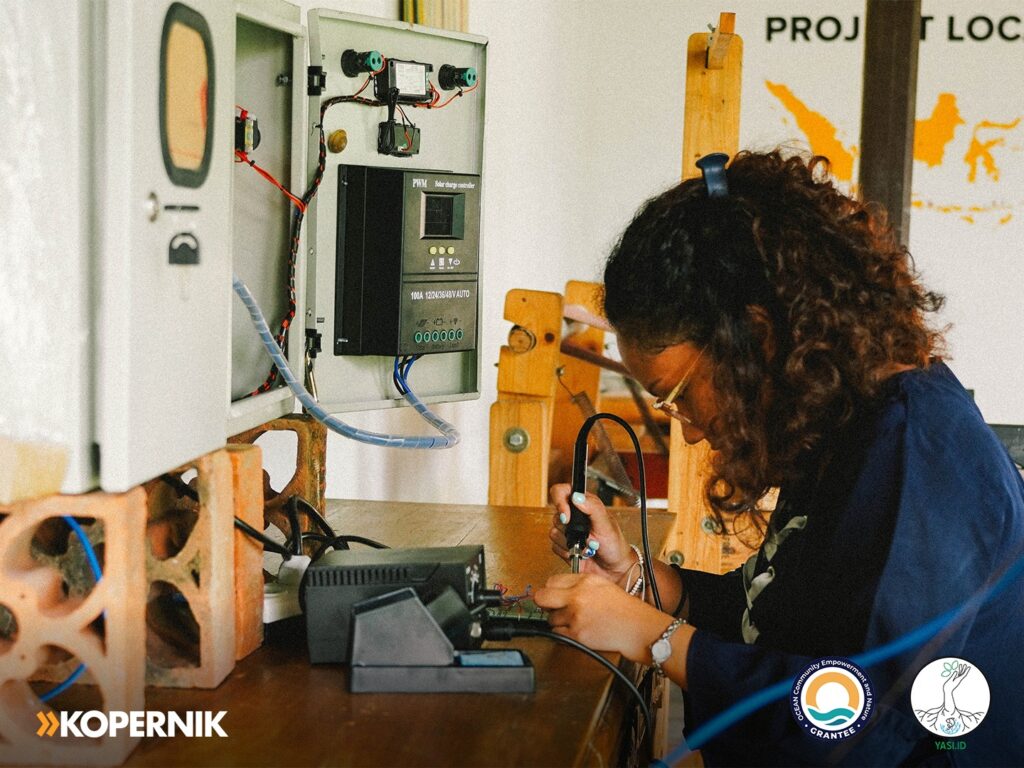
Kopernik is working directly with women and men seaweed farmers, along with other community members, such as youth, who actively participate in planting, harvesting, and maintaining the crops.
The project aims to integrate GEDSI principles across all stages of planning and implementation, for example by:
- Conducting Focus Group Discussions with male and female seaweed farmers separately to encourage open discussion and ensure all voices are heard.
- Offering value-adding product training based on the input and aspirations of women seaweed farmers, promoting their agency and leadership in economic activities.
- Developing waste management training with consideration for the needs and existing conditions of youth in Osi Island, fostering inclusivity and youth engagement.
- Strengthening internal capacity on safeguarding and inclusion by encouraging project teams to participate in SEAH (Sexual Exploitation, Abuse, and Harassment) training, with a view to creating safe and inclusive environments for all stakeholders.
Promoting equity and amplifying voices
OCEAN Grantees, alongside project partners and community members, are promoting ocean justice, equity and voices through inclusive, fair approaches that respect the social and cultural importance the ocean holds for coastal communities.
Whether by identifying and reducing barriers to the participation of women and youth, improving inclusion and accessibility for persons with disabilities, or promoting meaningful participation and leadership in marine conservation, these stories demonstrate the importance of promoting equity and amplifying marginalised voices, contributing to more effective and sustainable project outcomes.
What comes next?
At UNFCCC COP30, Parties adopted the Belém Gender Action Plan, reaffirming the importance of equity, ambition, and inclusion in climate policy and action and acknowledging that differentiated impacts of climate change and opportunities for all women and girls are shaped by multidimensional factors. GEDSI considerations are essential for ambitious and effective action on marine conservation, climate change efforts, and multidimensional poverty reduction. We are entering an exciting opportunity to address these issues together with our Grantees and look forward to updating you on our progress.
Image credit: The Hunger Project Senegal, Action for Ocean, Kopernik