Breaking the cycle of poverty through marine conservation and livelihood diversification
Fishermen along the coast of Bangladesh are trapped in a never-ending cycle of poverty, relying heavily on marine resources for their livelihoods. This dependence has caused significant destruction to the marine environment through overfishing, unsustainable techniques and significant levels of marine pollution. At the same time, illegal bottom trawling by larger scale fishers is devastating the marine ecosystem and fish stocks.
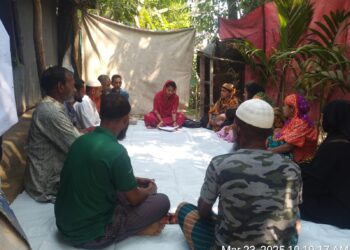
The FISHNET project is dedicated to addressing the root causes of poverty among marginalised fisherfolk communities while combating the degradation of marine ecosystems. It seeks to empower fisherfolk by actively involving them in decision-making processes, resource management, and conservation efforts. By establishing Bangladesh’s first community-managed Marine Protected Areas (MPAs), FISHNET aims to conserve marine ecosystems, while expanding access to resources and financial inclusion, supporting diversified livelihoods, empowering women and reducing child labour.
The project will support 10,000 marginalised sea-going fisherfolk families, including about 3,000 women who collect wild shrimp larvae for their livelihoods, and at least 850 households with children engaged in unsafe marine jobs. The project is also collaborating with coastal aquaculture entrepreneurs to promote sustainable practices and protect degraded coastal ecosystems.
Project partners:
- Center for Natural Resource Studies (CNRS)
- Action Against Hunger
- Women Job Creation Centre (WJCC)
- Center for Natural Resource Studies (CNRS)
- SheRee-Alternative Way of Women Empowerment
- Community Based Development Project (CBDP)
Visit their website for more information.
Photo credits: Uttaran

By loading the post, you agree to Facebook's privacy policy.
Learn more