Building coastal resilience and sustainable livelihoods
Once a thriving area, Yenne, on the coast of Senegal, now faces severe threats from environmental pollution and climate change. Harmful fishing practices including large-scale industrial exploitation by multinational enterprises, are depleting crucial stocks of vital food sources such as fish, octopus and shrimp.
These pressures have affected existing conservation efforts, reduced food security, and weakened the local economy. Declining fish stocks limited local trade and worsened poverty within local fishing communities. Additionally, there is a lack of community-led solutions to conserve, manage and restore impacted ecosystems to combat climate change while improving livelihoods and resilience, particularly for vulnerable groups.
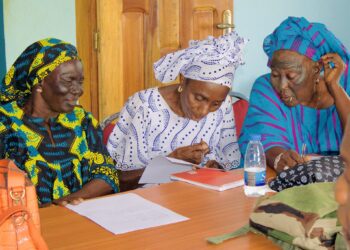
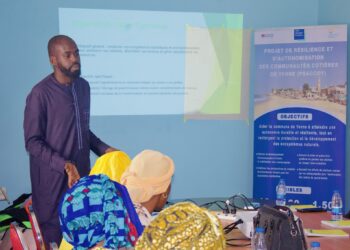
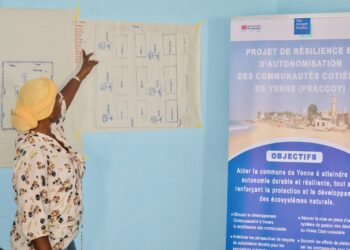
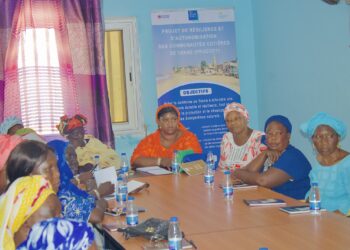
The Project of Resilience and Empowerment of Coastal Communities of Yenne (PRACCOY) engages and mobilises community across nine villages, aiming to reach 3,734 households, to deliver lasting change to the marine environment and reduce poverty. The project prioritises women, youth and people with albinism who face social, political and economic exclusion.
This project adopts a holistic approach, enabling the commune of Yenne to achieve sustainable self-reliance, while improving natural ecosystems. In particular, it stimulates community-led development, strengthens sustainable livelihoods for marginalised groups, and supports community-led advocacy efforts.
Photo gallery credits: The Hunger Project Senegal

By loading the post, you agree to Facebook's privacy policy.
Learn more