Promoting equitable governance of small-scale fisheries
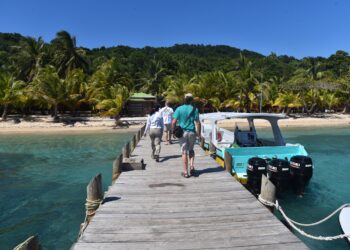
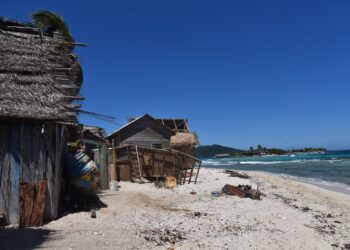
The Atlántida Seascape of Honduras is characterised by diverse coral reefs, seagrass beds, mangroves and estuarine ecosystems. Yet biodiversity and fisheries have declined sharply in recent years, marked by disease, mass coral bleaching and pollution. Poverty among coastal communities in the area is rising, with fishers citing COVID-19 restrictions, bad weather and the decline in commercially important fish as key factors reducing their incomes. Against this backdrop, efforts to improve small-scale fisheries and build more equitable and valuable supply chains, require long-term investment, improved market access, livelihood diversification and better governance.
This project aims to promote equitably governed small-scale fisheries in the Atlántida Seascape by engaging coastal communities, civil society, and government to protect marine ecosystems and enhance livelihoods. It seeks to strengthen national policies supporting small-scale fisheries, scale best practices, and position the country as a regional leader in locally-led management of fisheries and marine biodiversity. In the longer-term, the project will contribute to establishing Honduras as a regional leader in locally-led management of small-scale fisheries and marine biodiversity.
443 fishing association members (373 men and 73 women) will benefit directly from the project, while indirect benefits are expected for 29,313 people in 7541 households across 21 communities. The project will also work with seven Afro-Honduran Garifuna communities, five women’s groups and a young fisher network.
Project partners:
- Centre de Estudios Marinos (CEM)
- Fundación Hondureña para la Protección y Conservación de Cayos Cochino (FCC)
- La Asociación Pro Comunidades Turísticas de Honduras (LARECOTURH)
- Fundación Cuero y Salado (FUCSA)
Fundación Islas de la Bahía (FIB) - Honduras Healthy Reefs Initiative (HRI)
Photo credits: Fauna and Flora International