Building capacity in marine resource management
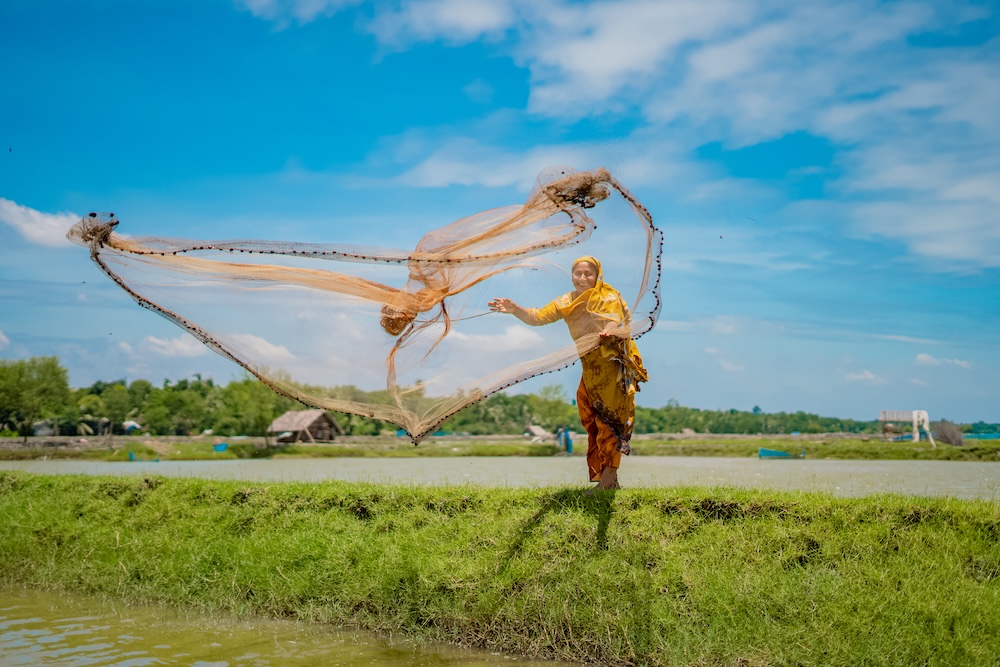
Mozambique has a coastline of over 2,500km, leading to a marine ecosystem that is rich in biodiversity. The country has some of the most pristine coral reefs in the western Indian Ocean providing habitat for a variety of marine species. However, lack of effective marine resource management coupled with a rapid population growth, has led to a decrease in fish stocks and mangrove and seagrass cover. Dependency on fish for sustenance has caused a rise in artisanal fishing, often using unsustainable fishing practices such as mosquito nets.
More than ever, fishermen are having to go out further to catch fewer and smaller fish. Mangroves are being cut for firewood and construction materials and seagrass beds are being damaged by fishermen and their fishing boats, with no guidance on how to do otherwise. Meanwhile, in the country’s private-sector-led tourism industry, many of the specialised roles are mainly staffed by foreigners due to lack of local capacity.
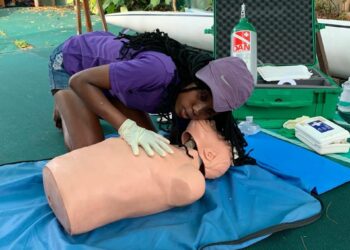
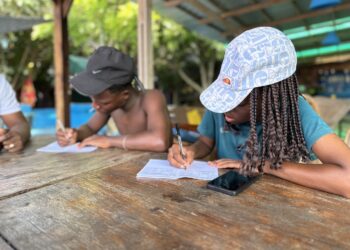
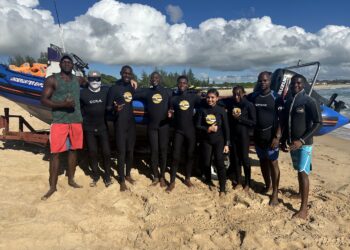
Through the Zero to Hero Diving Programme, Ocean Revolution Moçambique is empowering local communities to sustainably manage and benefit from the diverse marine ecosystems they rely on. Zero to Hero targets two groups: marginalised youth and fisherfolk from Maputu National Park’s coastal communities, and students and early-career professionals in marine biology. Additionally, the project offers dive and scientific diving training to students lacking these essential skills, strengthening national capacity in marine conservation and opening local career pathways in a field often dominated by foreign professionals.
Project participants receive dive and leadership training to access employment in ecotourism and marine conservation. The programme is conducting marine conservation talks across eight communities, engaging 1,600 residents on the importance of biodiversity, sustainable fishing, and ecotourism, in local languages. Trained community ambassadors – at least half of who are women – will continue these talked independently in local languages.
Partner Organisation: Maputo Dive Centre
Find out more about the project here
Photo credit: Ocean Revolution Moçambique