The end of 2025 marked the first full year of the Ocean Community Empowerment and Nature (OCEAN) Grants Programme. It has been an exceptionally busy but exciting time for our team as we supported our first ever OCEAN Grantees in implementing pioneering projects aimed at reducing poverty in coastal communities and promoting marine conservation.
Spanning South America to Africa and Asia, we have been inspired by the dedication and hard work of our Grantees in bringing their projects to life. Whether it’s introducing innovative improvements in seaweed farming, leading community-based mangrove restoration, empowering women in small-scale fisheries management, or engaging youth in manta ray conservation, the achievements we have witnessed highlight the incredible value of our programme and its potential to create a positive impact for both people and the planet.
Read on to discover the key highlights from this year across our OCEAN projects:
Strengthening inclusivity
At OCEAN, our ambition is to ensure that all individuals – including women and girls, Indigenous Peoples and Local Communities (IPLCs), youth and the elderly, people with disabilities, racial or ethnic minorities, and other marginalised community members – involved in our Grantee’s projects can meaningfully engage. In Yenne, on the coast of Senegal, The Hunger Project is training community members to become skilled facilitators. The participants include people living with albinism who have traditionally faced exclusion in the region. Now equipped with new skills, these individuals can advocate for positive behaviour change within their own communities.
Yayasan Mitra Insani (YMI) in Indonesia is supporting the newly formed women’s group, Al-Mujahiddin, to establish small-scale, independent sago cracker production, alongside assistance with business formation and legal processes.
Also:
- In Papua New Guinea, the Sea Women of Melanesia welcomed new female trainees this year who developed essential skills to help restore vulnerable reef ecosystems.
- BEDS Bangladesh’s project to engage rural communities in mangrove plantation, protection and monitoring is engaging 327 women across the area who are gaining valuable skills and knowledge.
Young people delivering meaningful outcomes
Engaging young people to participate in marine conservation and poverty reduction initiatives delivers significant benefits for both communities and ecosystems. In Indonesia, Berikan Protein Initiative is harnessing the digital skills of high school graduates from fishing families. This is enabling them to make a direct contribution to improving their families’ livelihoods through the production, marketing and sale of innovative fish protein snacks. By applying their technical skills to support their parents’ small enterprise, young people are playing an active role in strengthening community resilience and reducing poverty.
Also:
- NGOs for Fisheries Reform (NFR) is engaging youth through targeted communications workshops focused on Illegal, Unreported, and Unregulated (IUU) fishing. They are now advocating for better fishing practices and sharing what they have learned with their communities.
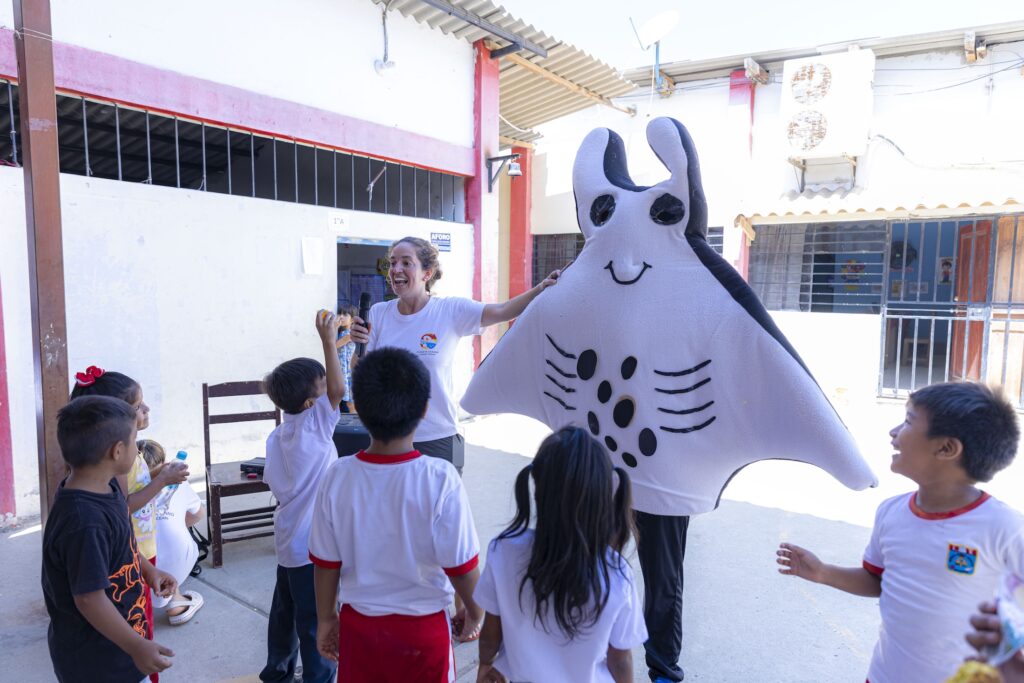
- Planeta Océano is also empowering youth for the conservation of Giant Manta Rays in Peru with conservation-based activities – including the launch of their inspiring book, ‘Giant Rays of Hope’, by author Patricia Newman.
Communities now managing marine areas
Putting marine conservation into the hands of local communities helps to safeguard vital ocean resources, improve coastal resilience and ensure food security.
Reef Check Malaysia is making positive progress in engaging over 140 local communities in the development of a Community Protocol, a crucial document which aims to protect both the community’s rights and the marine environment.
People and Nature Reconciliation in Vietnam is undertaking a comprehensive Knowledge, Attitudes and Perceptions (KAP) study with over 120 officials and 100 residents across three communes to support their plans for establishing Seasonal Closed Areas (SCAs) and Other Effective area-based Conservation Measures (OECMs). The survey is assessing community knowledge, perceptions and practices related to topics such as fishing activities, alternative livelihoods and conservation issues.
Also:
- In Kenya, Coastal and Marine Resource Development (COMRED) is making progress in establishing a Joint Co-Management Area (JCMA) to collaboratively manage marine resources with economic interests.
Improvements in sustainable fisheries management
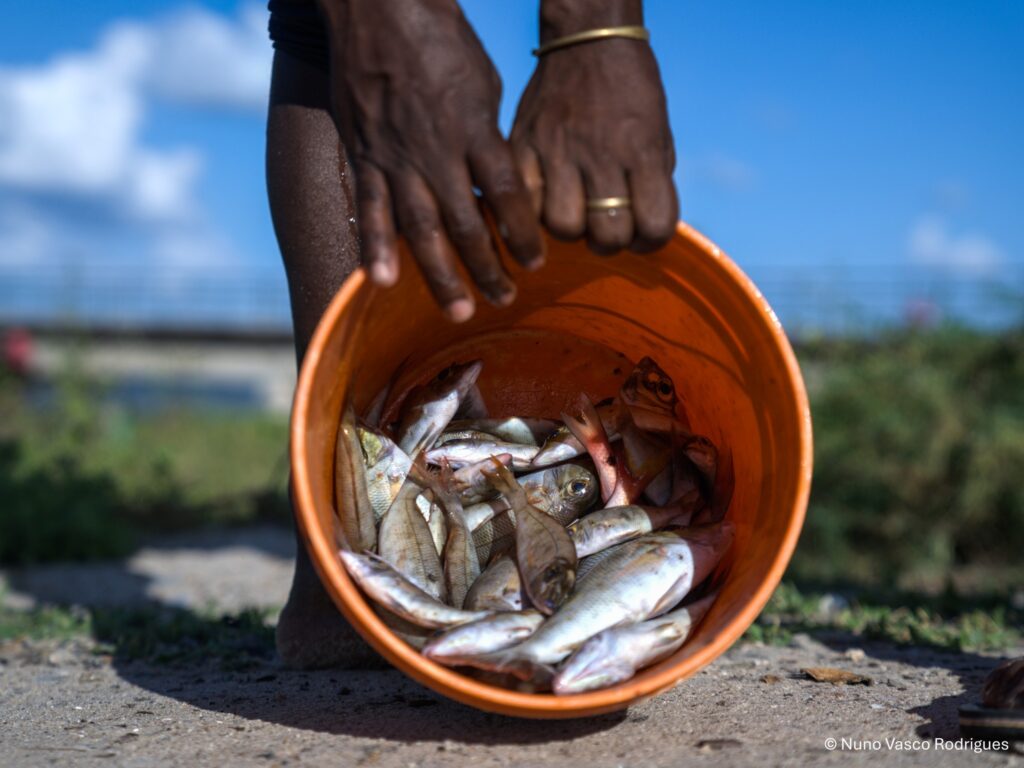
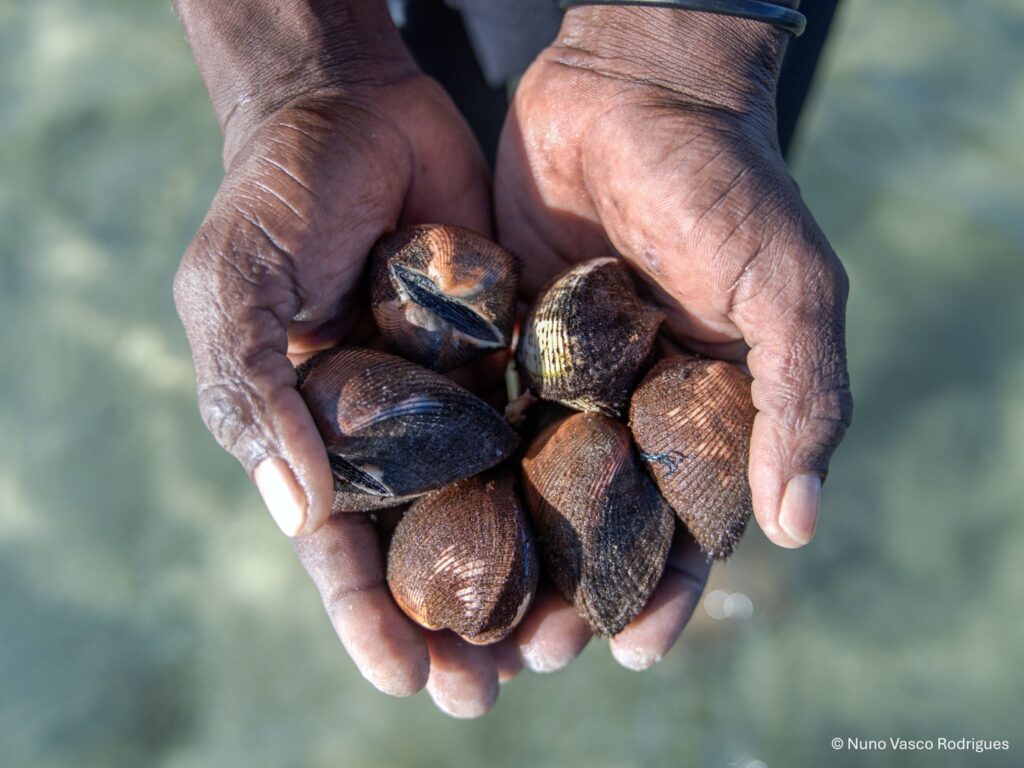
Supporting coastal communities to reduce Illegal, Unreported, and Unregulated (IUU) fishing and improve small-scale fisheries management can strengthen climate-resilient, inclusive, and sustainable livelihoods. In Mozambique, the Zoological Society of London (ZSL) is leading a behaviour-change campaign to support fisherfolk previously engaged in unsustainable practices. This includes facilitating the creation of a new oyster farm with 510 baskets – equivalent to 112,000 oysters – that will be managed by trained oyster farmers, including women.
Similarly, in Tanzania, Sea Sense is piloting temporary reef closures to improve octopus and fish catches while generating income for local communities. Alternative livelihood activities, including crab fattening, shrimp flour production, and seaweed product development, is also improving household income and resilience.
Similarly:
- In Tanzania, Action for Ocean is implementing temporary octopus reef closures with local communities, which are generating significant revenue and supporting healthy stock recovery.
- The FISHNET project, led by Uttaran, is supporting 400 primary organisations by enhancing leadership capacity and improving community engagement in fisheries governance.
- In Indonesia, Perkumpulan Rincong is facilitating local stakeholders in the agreement of a collaborative management plan for a new Customary Marine Area (CMA).
- On Osi Island, Indonesia, Kopernik is improving the livelihoods of seaweed farmers and their families by introducing new drying methods.
Waste management initiatives advanced
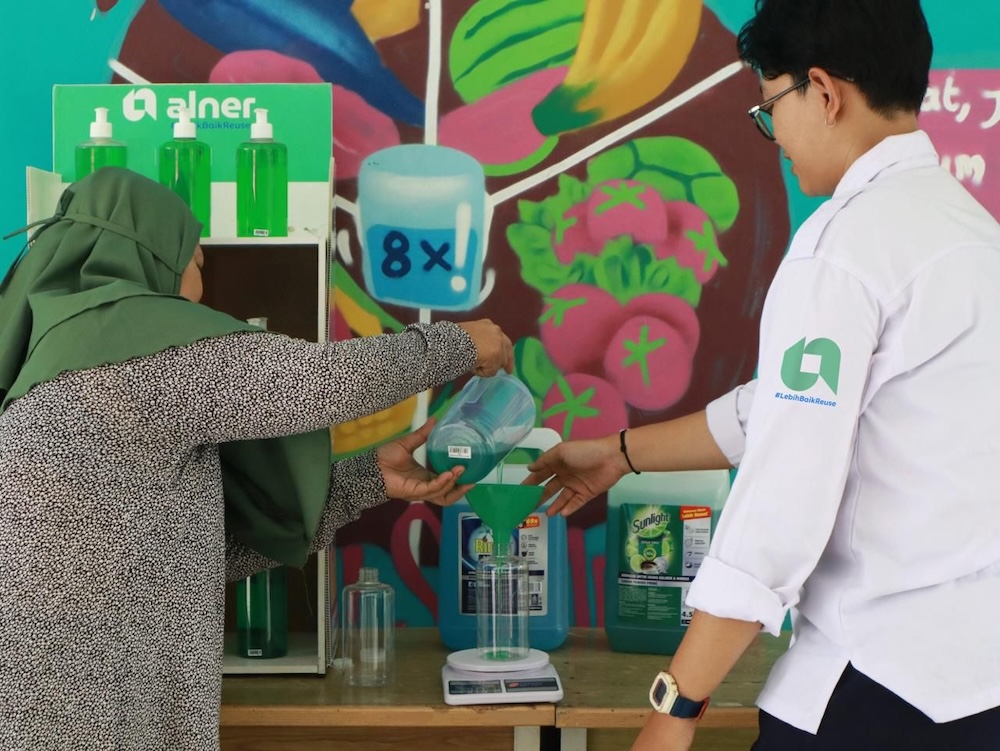
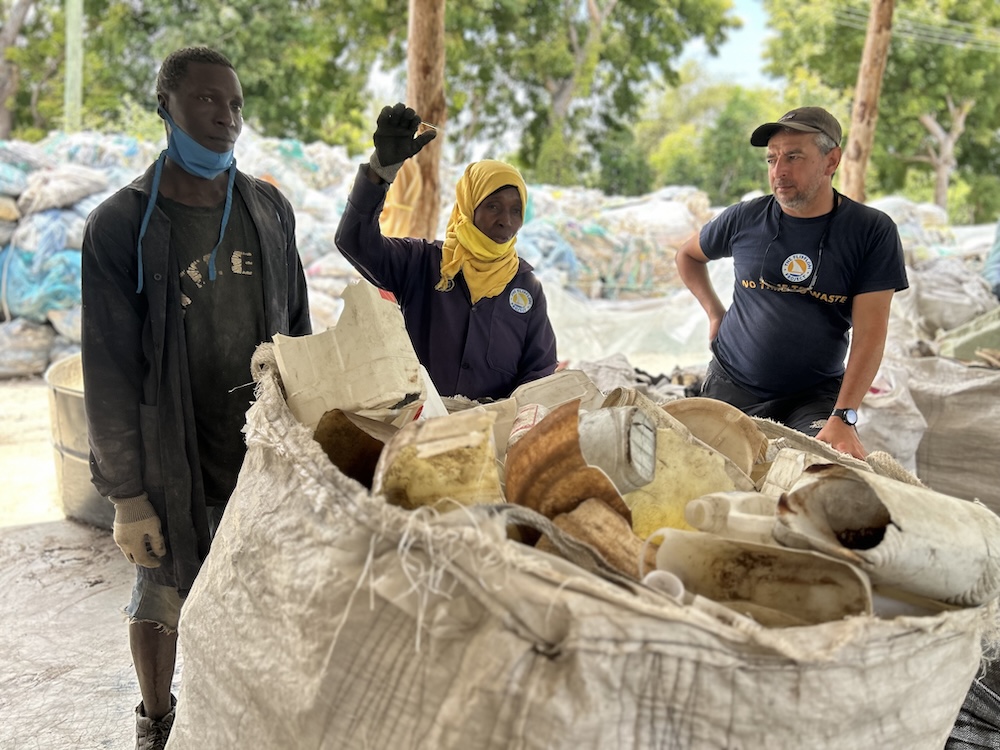
Solid waste and other forms of marine pollution threaten the environment and the communities that rely on it. In Indonesia, Bintari made positive progress with its project to expand and improve waste management services. The team undertook essential activities including a baseline study of household, business, and school waste management behaviour with over 600 respondents. In addition, district-level waste management infrastructure and facilities were mapped, market potential for recycled materials were surveyed, and clean-up activities were conducted to support waste management strategies.
Also:
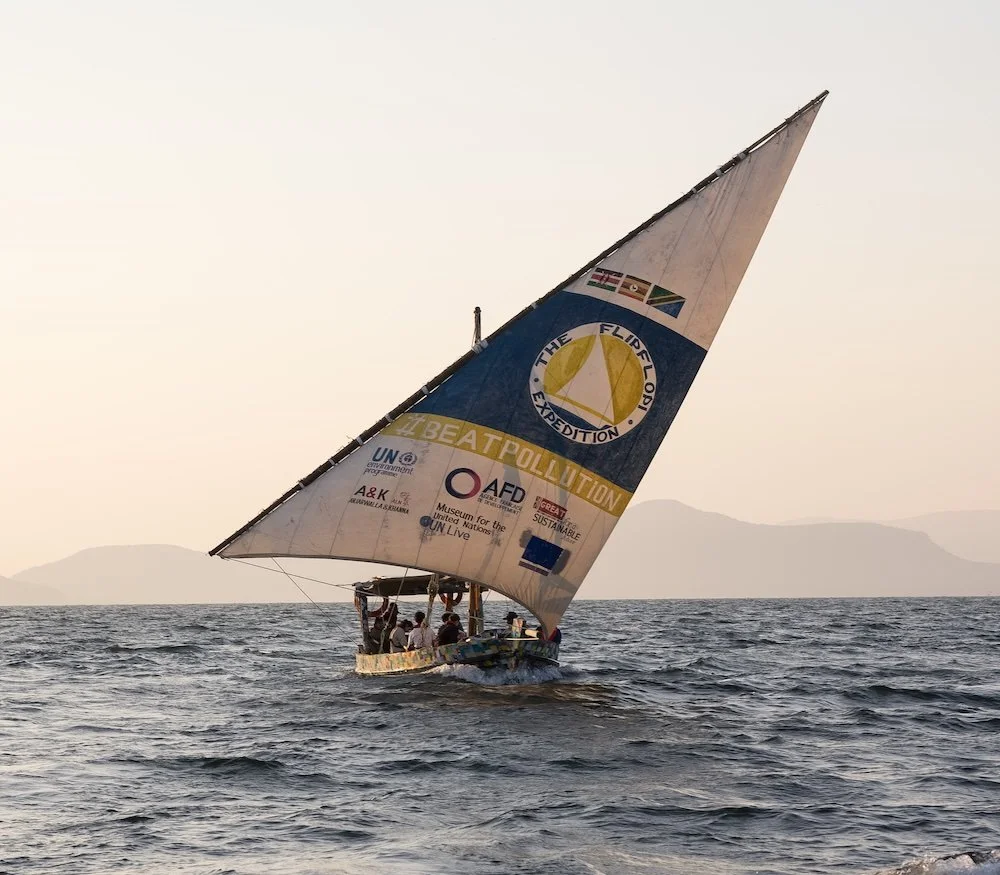
- In Kenya, the Flipflopi Project Foundation is training new staff to support plastic collection efforts, with the team yielding over 4,200 kg in two months.
Looking ahead
As some of you may have seen, this year we also launched our second funding round, and we will be announcing the successful projects in the coming weeks. Keep your eyes on our social media accounts to find out who will be joining our OCEAN community next year. We look forward to making an even bigger splash in 2026!
Featured image credit: Action for Ocean