Community-managed mangroves to support coastal livelihoods
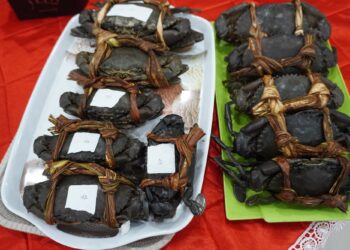
Healthy mangroves in coastal areas increase the resilience of coastal communities to climate change and minimise the impact of natural disasters, such as tsunamis, storms and waves. They also serve as nursery grounds and habitats for economically valuable species such as fish, crabs and shrimp.
In Indragiri Hilir district however, mangrove ecosystems and fisheries that depend on them, are under increasing threat. A lack of community involvement has resulted in low public awareness of the value and vulnerability of mangroves in the district, leaving local people to feel indifferent to their importance.
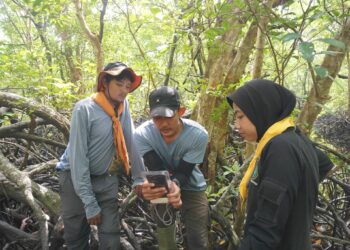
The project works with 12 villages in the Indragiri Hilir district covering approximately 49,000 ha of mangrove ecosystems. It supports the livelihoods of 28,208 people, including 14,756 men and 13,452 women, primarily from fishing and farming community groups in the villages. Women and young people are actively encouraged to become local champions in mangrove and fisheries management, leaders of alternative economic businesses, and to serve as skilled health ambassadors.
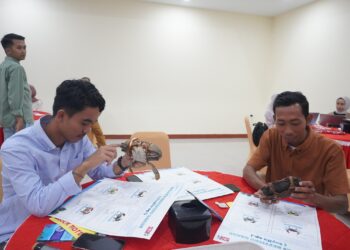
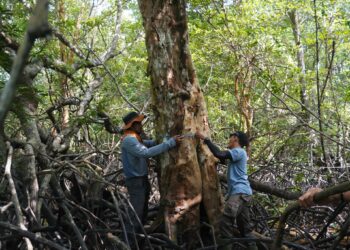
The project is developing a community-owned management model that provides long-term benefits for local people. Activities focus on sustainable management of mangrove ecosystems, improving small-scale mangrove fisheries management, strengthening community governance, diversifying community livelihoods, improving public health and empowering women and youth.
Image credit: Yayasan Mitra Insani (YMI), Hendri Susilo