Building climate-resilient coral reefs and sustainable livelihoods
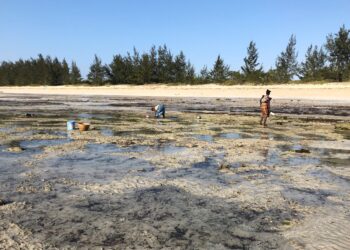
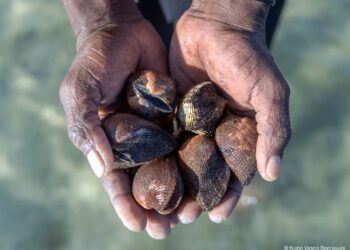
Communities along Northern Mozambique coast are among the poorest in the country with many households dependent on the ocean for their livelihoods. 90% of fish is caught by artisanal fishers for subsistence or local markets, often using harmful techniques such as beach seine nets and mosquito nets.
While Marine Protected Areas (MPAs) are seen as an important tool for conserving marine biodiversity, benefit-sharing and decision-making processes often exclude local communities. This exclusion can undermine community support for conservation efforts and reduce the effectiveness of biodiversity protection.
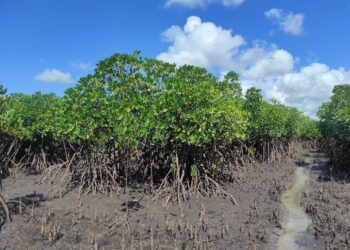
The project is working alongside local partners to establish a socio-ecological corridor of 20 Locally-Managed Marine Areas (LMMAs) along Nampula province’s 450km coastline – a priority marine conservation site – providing ecosystem services, sustaining biodiversity and supporting recovery of sites more vulnerable to coral bleaching.
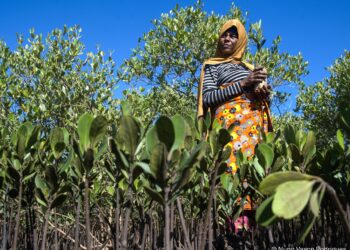
The project will also promote climate-resilient livelihoods to reduce multi-dimensional poverty and enhance community well-being, while strengthening the capacity of Fisheries Community Councils to support sustainable fishing practices.
20 villages from Mossuril, Mogincual and Liupo districts have been targeted where fishing, agriculture and small trade are the main sources of income. 491 people (273 women and 218 men) are expected to be directly supported.
Project partners: Associação do Meio Ambiente (AMA)
Feature photo credit: (c) Ana Pinto Murrebue
Gallery photo credit: Ana Pinto Murrebue and Nuno-Vasco-Rodrigues