Improving the livelihoods of marginalised fisherfolk in coastal Sri Lanka
Sri Lanka is emerging from a turbulent period of political and economic instability. However, the country continues to face escalating climate change impacts that are driving multidimensional poverty, particularly in coastal regions. Rising sea temperatures, ocean acidification, coral bleaching, overfishing, and destructive fishing practices are accelerating the decline of fish stocks.
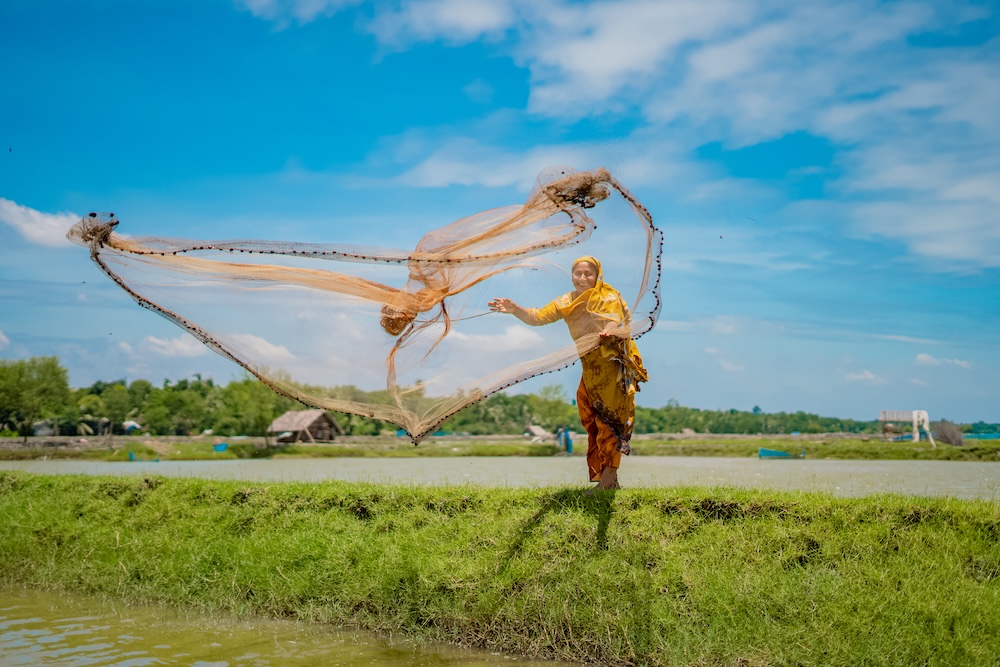
Coastal fishing communities in the districts of Batticaloa and Mullaitivu are especially affected, facing significant socio-economic challenges that perpetuate cycles of poverty. Despite active lagoon and marine fisheries, more than 40% of the population in these districts live just above the poverty line, earning less than USD 2.25 per day. Ongoing post-conflict challenges have further marginalised small-scale fishers, who struggle to compete for limited resources, deepening economic vulnerability.
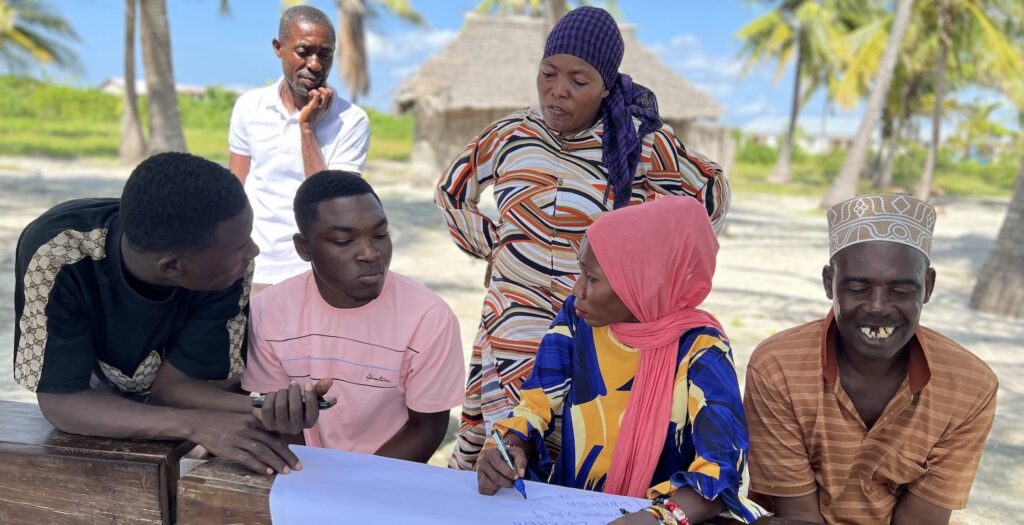
The Resilient Waves project supports fishing communities in Batticaloa (28,630 households) and Mullaitivu (7,500 households) to build climate-resilient ecosystems and inclusive local economies through community-led, nature-based solutions and livelihood diversification. As a result, 120 fishing households will achieve higher and more stable incomes. In addition, nine women-led microenterprises will be established in fish processing and aquaculture, strengthening women’s economic participation.
The project will also restore 200 hectares of coastal habitat and launch citizen science initiatives, empowering local communities to become long-term guardians of their marine environment.
Partner organisations: Handicap Internation Sri Lanka, Blue Resources Trust, The Green Movement of Sri Lanka, Sri Lanka Business, Biodiversity Platform.
Find out more about the project here.