Kopernik is a research and development lab based in Indonesia that uses an innovative approach to tackling societal and environmental challenges. In November 2024, they were awarded a one-year OCEAN Community Grant to deliver a pioneering project to improve the livelihoods of seaweed farmers. Read on to find out what happened…
In Osi Island, in the West Seram District of Maluku, Indonesia, over 75% of the island’s population is engaged in seaweed farming, with men typically focusing on planting and women supporting with cleaning, maintenance and harvesting. However, unpredictable weather conditions frequently impact the crucial seaweed drying process, resulting in lost product and income. Kopernik’s project ‘Building Blue Economy to Empower Osi Island Seaweed Farmers’, with partners Yasi.ID, focused on introducing new technology and training to increase income for seaweed cultivators.
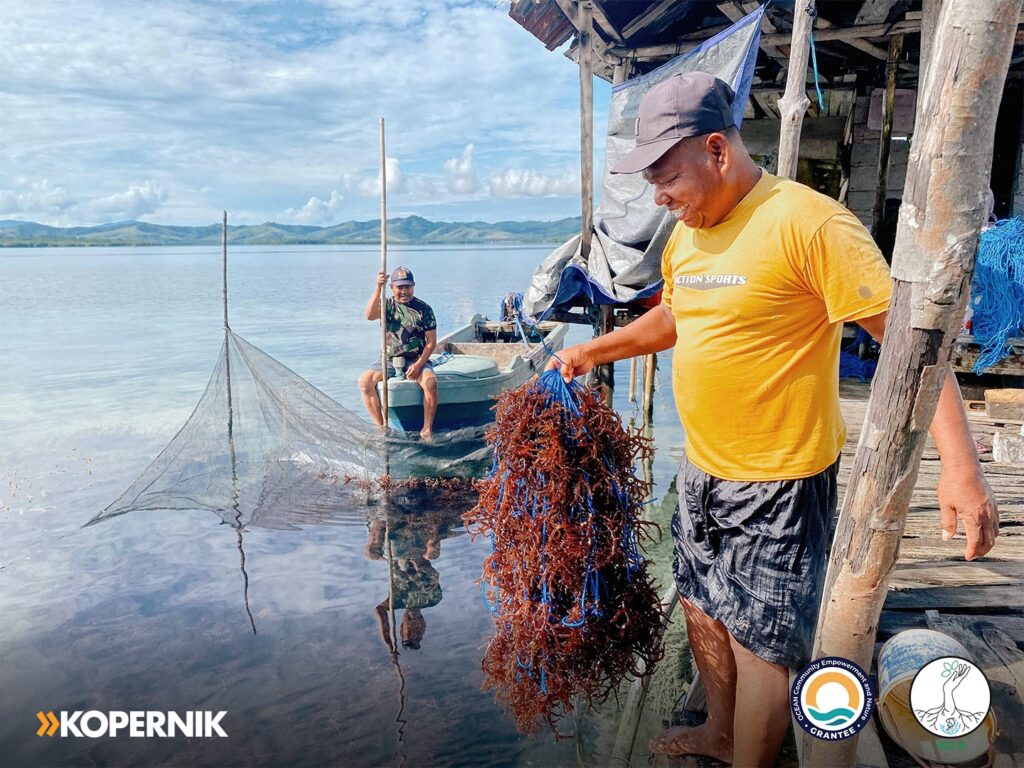
Traditional seaweed farmer in Osi Island, Indonesia. Image credit – Kopernik
Improving knowledge, improving incomes
Throughout the duration of the project, Kopernik supported 77 beneficiaries through seaweed cultivation training and activities. Of these beneficiaries, 72% reported increased earnings from seaweed product sales, exceeding the initial project goal of 50%. Farmers’ knowledge of effective cultivation techniques improved, and they were able to learn practical skills to enhance seaweed drying consistency. Three community training sessions were held on the topics of good aquacultural practices, the solar dryer and seaweed cultivation in conservation areas. Participants also learned about a diverse range of seaweed products.
Five local seaweed farmers were successfully trained in operating the new IoT-enabled drying system. The solar dryer was able to achieve a 62.5% faster drying rate compared to traditional drying methods. This will ensure the consistent drying of seaweed despite volatile weather conditions driven by climate change, supporting more sustainable incomes for farmers.
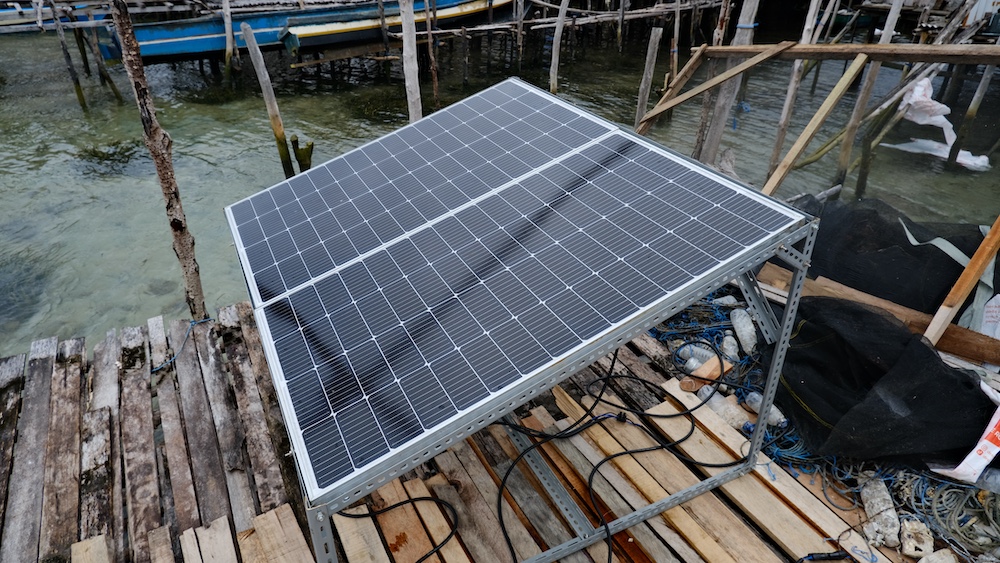
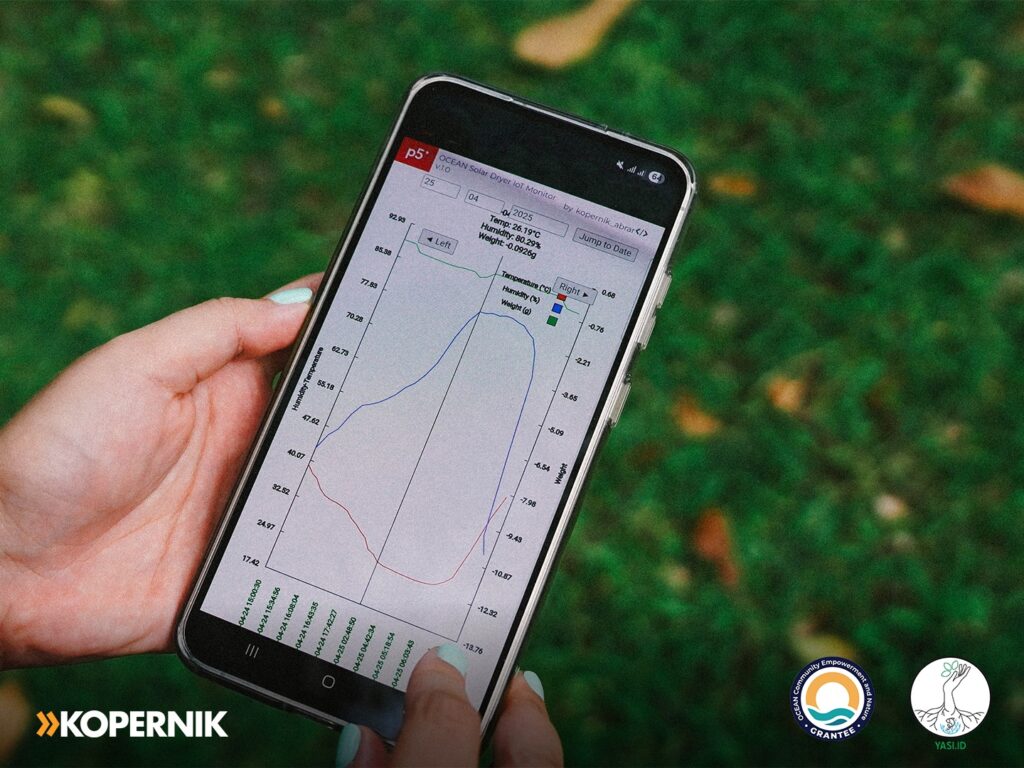
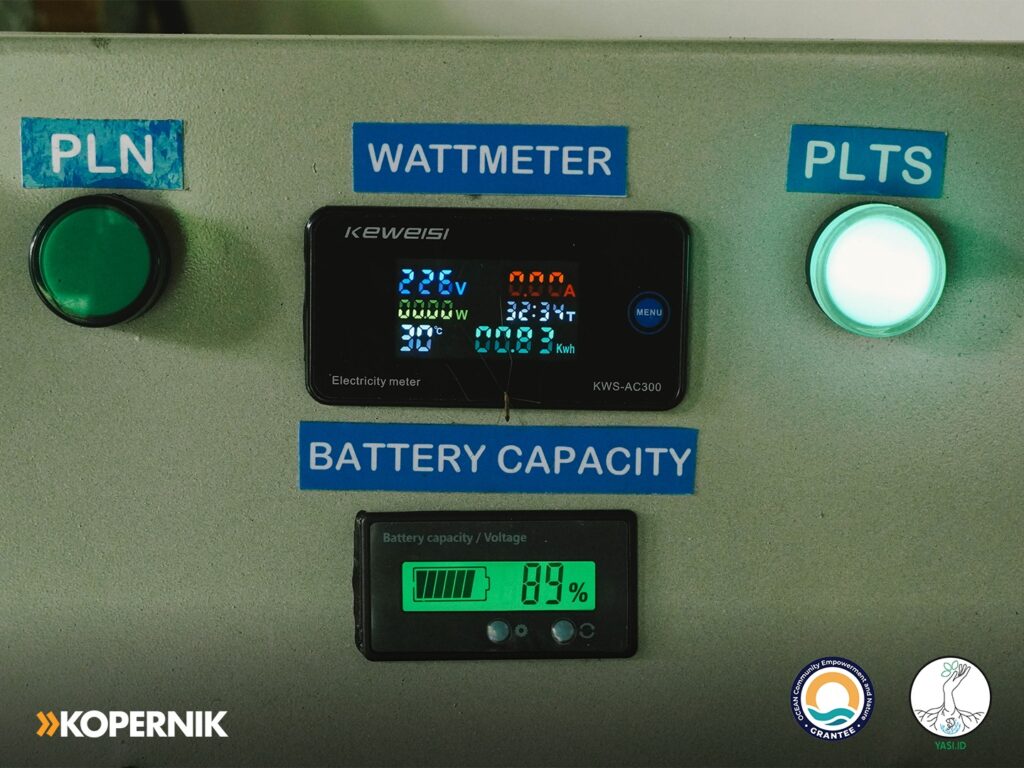
Solar-powered dryer. Image credit – Kopernik
Equipping women with entrepreneurial skills
As part of their goal to diversify community income sources through product development and entrepreneurship, Kopernik delivered seven training sessions on topics including seaweed products, financial literacy and waste management.
During seaweed product training sessions, 29 women learned key skills in how to create their own seaweed-based snacks such as crackers, and seaweed soaps. The hands-on sessions equipped participants with valuable entrepreneurial skills to generate increased incomes.
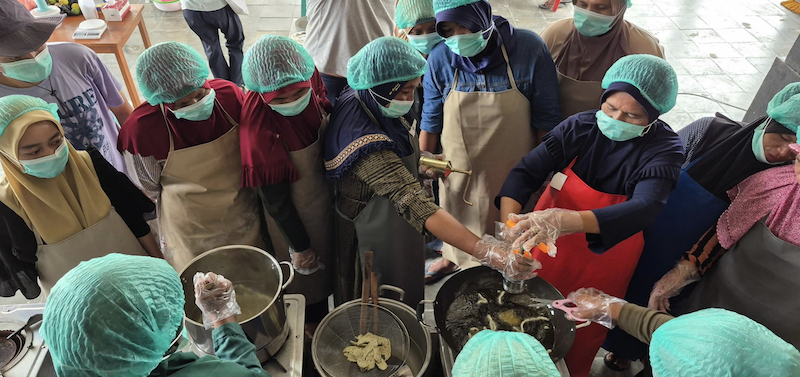
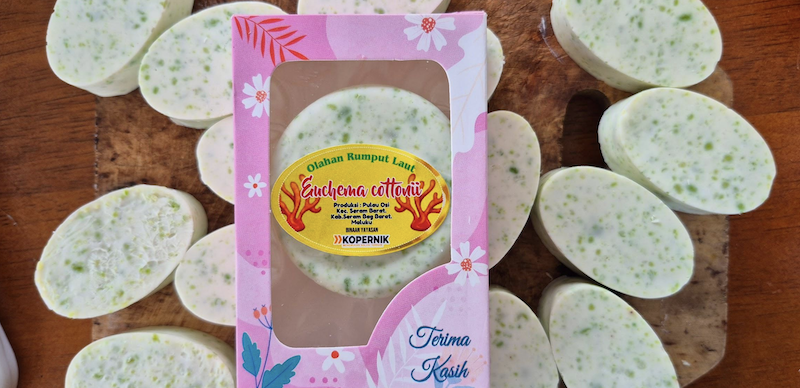
Women beneficiaries receiving training to create seaweed snacks and soaps. Image credit – Kopernik
Empowering youth in waste management
Kopernik delivered a waste management workshop specifically on recycling and upcycling to 21 members of a youth group. By the end of the project, participants successfully produced various upcycled products, some of which were already sold in the city of Ambon, generating both environmental and economic benefits. Several households also adopted basic waste-sorting and upcycling practices. In total, 139.5 kg of waste was removed and prevented from entering the marine environment, exceeding the initial target of 100kg.
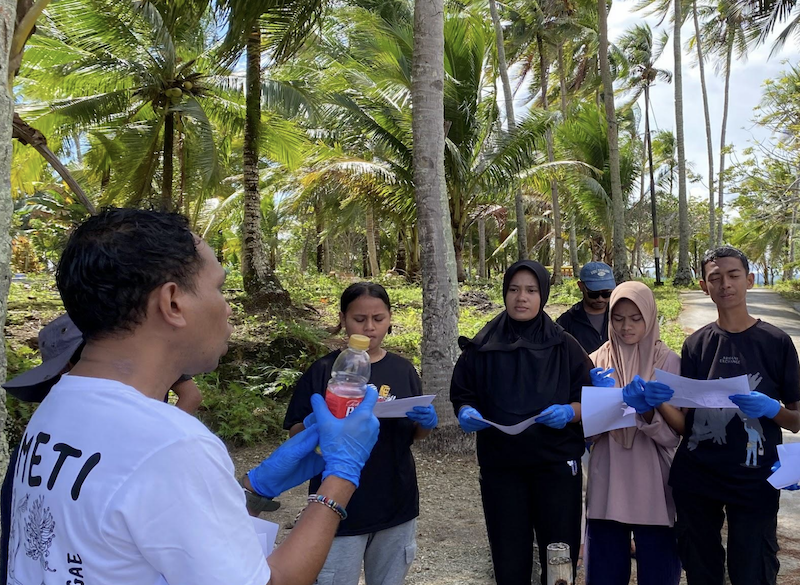
Youth groups during waste management and upcycling workshops. Image credit – Kopernik
Lessons learned
One key challenge that hindered the project’s success was the shortage of seedstock. This often forced farmers to prioritise seedling duplication rather than harvesting, and resulted in a decrease in the overall volume of seaweed available for drying and processing. In response, Kopernik will coordinate better with farmers to ensure a year-round supply from existing seedlings
Another significant challenge was the impact of destructive and illegal fishing practices, more specifically the use of cyanide poison, which contaminated local waters, severely damaged the majority of nursery stock and limited seedling availability. Potassium cyanide is used to temporarily immobilise fish for capture so they can be sold in live fish markets or the aquarium trade, although many fish do not survive and ecosystems are often severely harmed. Looking ahead, the team will undertake risk-reducing activities such as holding seed stock reserves and site diversification to prevent this occurring in the future. In addition, this challenge highlighted the need for post-training monitoring and follow-up, as part of efforts to create long-lasting behaviour change away from these destructive fishing activities. The team shared that future projects would integrate structured follow-up procedures, multi-stakeholder enforcement and monitoring partnerships to support long-term behaviour change and environmental protection in the community.
A positive outcome driven by the baseline study of seaweed cultivation was the development of protective cages designed to safeguard seaweed from epiphytes and predation from turtles and dugongs. This concept is being shared within the region and has already been replicated by local farmer groups.
Looking to the future
Building on successes and lessons learned, Kopernik plans to continue strengthening the seedling nursery system by refining experimental trials. One objective is a iteration of the seedling nursery experiment to test improved nursery cage designs and evaluate their durability throughout the planting season. These new designs have been adapted by community members using locally available materials, increasing the second continuity of seaweed production year-round.
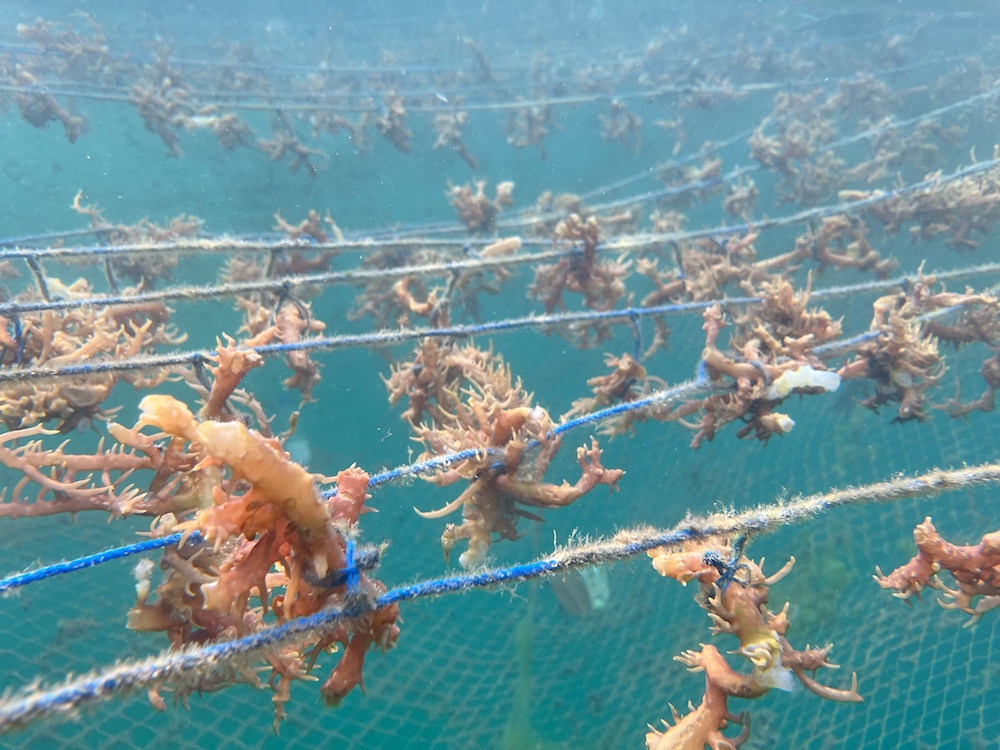
Replicated nursery lots by seaweed farmers. Image credit – Kopernik
Furthermore, continued community capacity-building activities will be carried out now that OCEAN funding has ended. For example, a series of follow-up sessions to the waste management workshops has been planned, and continued support for the women-led group will be provided to refine, develop and market their seaweed-based products.
Finally, the team is engaged with local government to develop a pathway for replicating and scaling this impactful project in other coastal communities.
Watch the videos to see seaweed cultivation and the solar dryer in Osi Island in action: